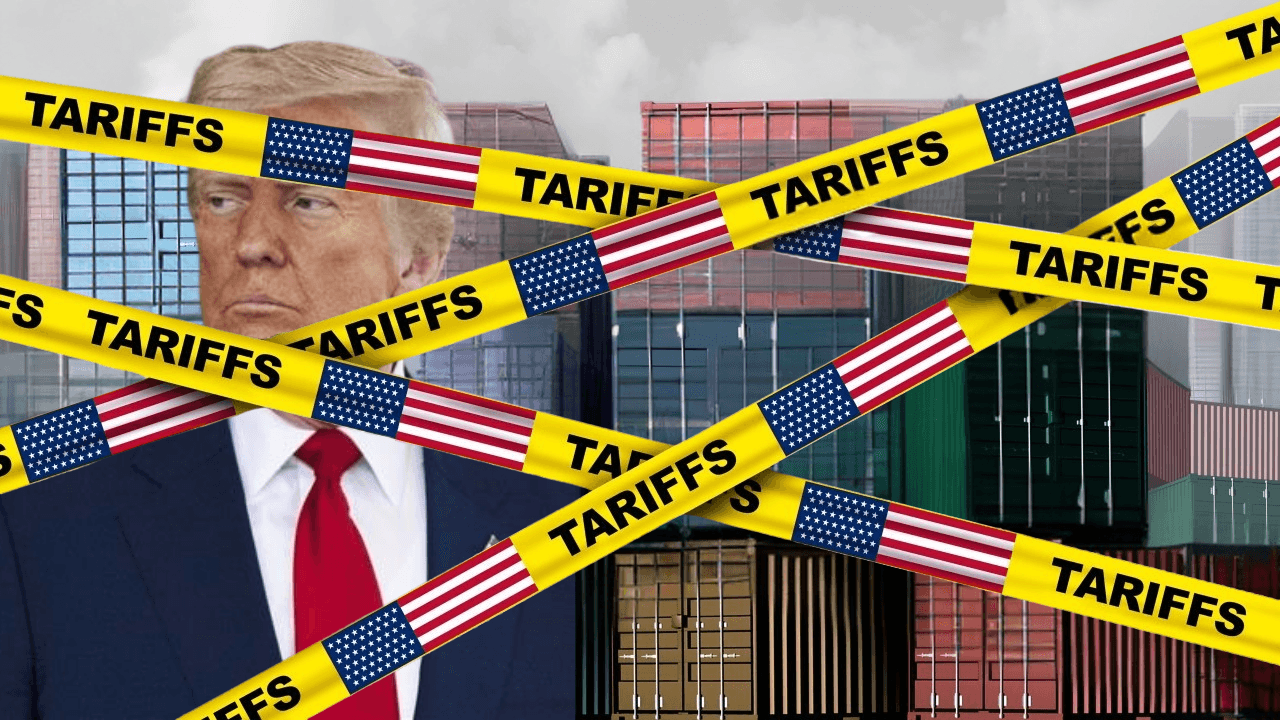

The United States Supreme Court, by a 6-to-3 majority, invalidated the tariff measures that President Trump had introduced under the designation of “Liberation Day” tariffs. In its February 20 ruling, the Court concluded that the tariffs imposed pursuant to the International Emergency Economic Powers Act (IEEPA) exceeded the scope of the statutory authority conferred upon the executive and were therefore unlawful. The ruling is likely to generate a renewed and substantive debate concerning the limits of presidential authority in trade policy and the proper interpretation of emergency economic powers under U.S. law.
At the outset, it is useful to briefly clarify the legal and policy significance of the ruling. The dispute traces back to April of last year, following President Trump’s re-election for a second term, when he pledged to employ tariffs as an instrument to restructure what he characterized as a global trading order that had, in his view, “exploited” the United States for decades. It is worth recalling that, on April 2, 2025, under the designation of “Liberation Day,” President Trump proclaimed sweeping economic security measures directed at virtually all the trading partners. The associated tariff measures, which entered into force in August, constituted a substantial disruption to the international trade environment. The newly introduced tariff regime—featuring differentiated rates across countries—generated prolonged volatility in financial markets and heightened uncertainty among affected trading partners. Although the administration subsequently moderated or suspended some of the most severe measures, the United States concluded 2025 with an effective average tariff rate exceeding 10 percent, thereby reaching levels unprecedented in the post–Second World War period.
You may read evaluation note from here.