Günbey Korkmaz
Araştırmacıİlgili Yayın Dosyaları
The crisis in the Strait of Hormuz is disrupting global energy and industrial supply chains, creating multi-layered risks for Türkiye’s economy. TEPAV’s policy brief highlights that the shock may be transmitted through industrial inputs, fertilizer markets, shipping costs and rising energy prices.
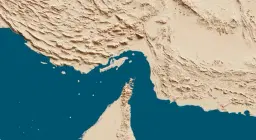
Following the clashes between Iran, the United States and Israel that began on 28 February, tensions in the Strait of Hormuz have triggered a new wave of uncertainty in global energy markets. The policy brief titled “The Strait of Hormuz Crisis: Global Supply Chain Rısks and Economıc Implications for Türkıye” published by the Economic Policy Research Foundation of Türkiye (TEPAV), shows that the crisis extends far beyond oil prices. The analysis points to a wide range of potential impacts, from industrial inputs and fertilizer markets to logistics costs and energy bills.
A Chokepoint of the Global Energy System
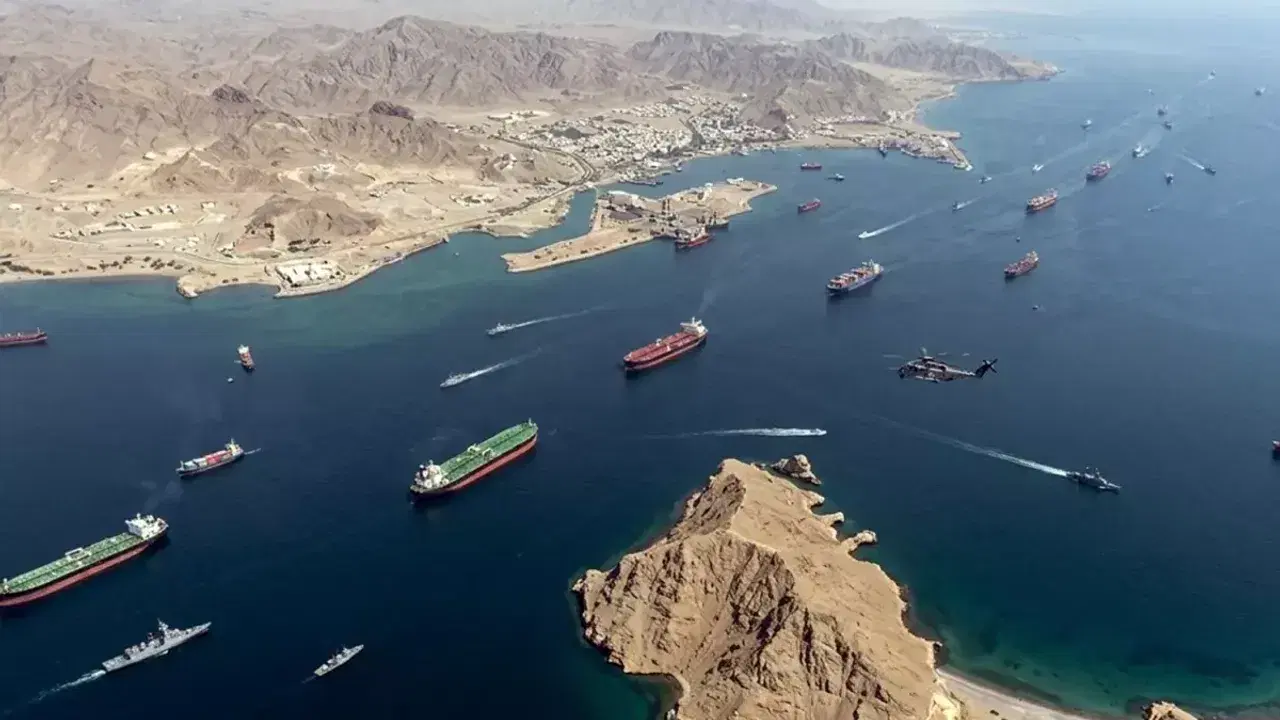
Iran’s effective closure of the Strait of Hormuz and the targeting of tankers have created a serious supply risk at one of the most critical transit points in global energy trade. Approximately 20 percent of global oil trade and around one-fifth of global LNG trade passes through this narrow waterway. Any disruption in Hormuz therefore represents a shock that can directly affect not only energy markets but also petrochemical production, fertilizer supply and industrial manufacturing chains.
In an effort to mitigate the supply shock, the International Energy Agency (IEA) has decided to release strategic petroleum reserves. Member countries plan to inject approximately 400 million barrels of oil into the market. However, according to the policy brief, this measure functions more as a short-term buffer than a lasting solution.
A Critical Threshold for Türkiye: Industrial Production
According to the policy brief, the Hormuz crisis is not merely an energy price issue for Türkiye. Instead, it creates a multi-layered risk environment that may simultaneously exert pressure through industrial production, agriculture, logistics and energy costs.
Türkiye’s trade structure with Gulf countries highlights the importance of aluminum and petrochemical feedstocks. Türkiye imports between 700 million and 1 billion dollars worth of aluminum and aluminum products annually from Gulf producers, particularly Bahrain, Qatar, the United Arab Emirates and Oman. Imports of plastics and petrochemical raw materials from these countries reach approximately 2 billion dollars per year.
A significant portion of these products is shipped from Persian Gulf ports and transported to Türkiye via the Strait of Hormuz. Any disruption in the strait could therefore create a serious logistical vulnerability for key industrial inputs.
Additional Risks for the Textile and Plastics Industries
Another critical input that could be affected by the crisis is monoethylene glycol (MEG). As the main feedstock for polyester fiber and PET production, MEG plays a vital role in Türkiye’s textile, apparel and packaging industries.
Türkiye’s annual MEG imports amount to roughly 700-900 million dollars, with about 35-40 percent supplied by Gulf producers. A logistical disruption in Hormuz could increase the cost of this input and create cost pressures in polyester production. This may, in turn, pose a competitiveness risk for Türkiye’s textile and apparel exports exceeding 30 billion dollars.
Fertilizer Prices May Trigger Food Inflation
Another possible impact of the Hormuz crisis for Türkiye may emerge in the agricultural sector. Türkiye’s annual chemical fertilizer consumption stands at approximately 6-7 million tonnes, and a significant portion of this demand is met through imports.
Gulf countries account for 15-25 percent of Türkiye’s nitrogen-based fertilizer imports. A disruption in Hormuz could therefore create logistical pressure on fertilizer supply chains. Rising fertilizer costs driven by higher energy prices may increase production costs for strategic crops such as wheat, corn and sunflower. Experts suggest that these cost increases could eventually be reflected in food prices.
Shipping and Insurance Costs Are Rising
Another impact of the crisis is visible in global maritime transport. With the Strait of Hormuz being designated a high-risk area, war-risk insurance premiums for tanker shipping have risen rapidly. Spot charter rates for LNG carriers are reported to have surged by approximately 600 percent, reaching around 300 thousand dollars per day.
This volatility in freight markets is also increasing Türkiye’s foreign trade costs. Rising shipping rates and longer transit times could complicate delivery planning in sectors such as textiles, automotive supply industries, machinery and white goods manufacturing.
The Energy Bill May Increase
The most significant macroeconomic impact of the crisis for Türkiye is likely to emerge through energy prices. Türkiye’s annual energy import bill stands at approximately 60-65 billion dollars. It is estimated that every 10 dolar increase in oil prices could add roughly 4.5-5 billion dollars to the current account deficit.
If oil prices stabilize in the 90-100 USD per barrel range, this could create additional pressure on both budget balances and inflation.
You may read evaluation note from here.