
The Relationship between Trade, Industrial Policy, Economic Growth and Human Development
Trade can be a powerful source of economic growth, industrialization, enhanced domestic purchasing power, poverty reduction and human development. But liberalizing trade through reduced tariffs should not be regarded by any country or peoples as a reliable mechanism for generating self-sustaining growth, reducing poverty or enhancing human development outcomes. Moreover, trade is not an end, but only one means to human development and while there is a two-way relationship between the two, trade theories do not offer unequivocal conclusions about either the dynamics or direction of the relationship.
Trade and industrial strategy go hand in hand and need to be viewed in terms of their dynamic interaction and synergy. A major objective of a forward looking and dynamic trade policy should be a diversified industrial economy. This is a sine qua non for attaining a minimum, reasonable threshold level of human development for most, if not all countries.
Multilateral, Plurilateral and Bilateral Trade Agreements
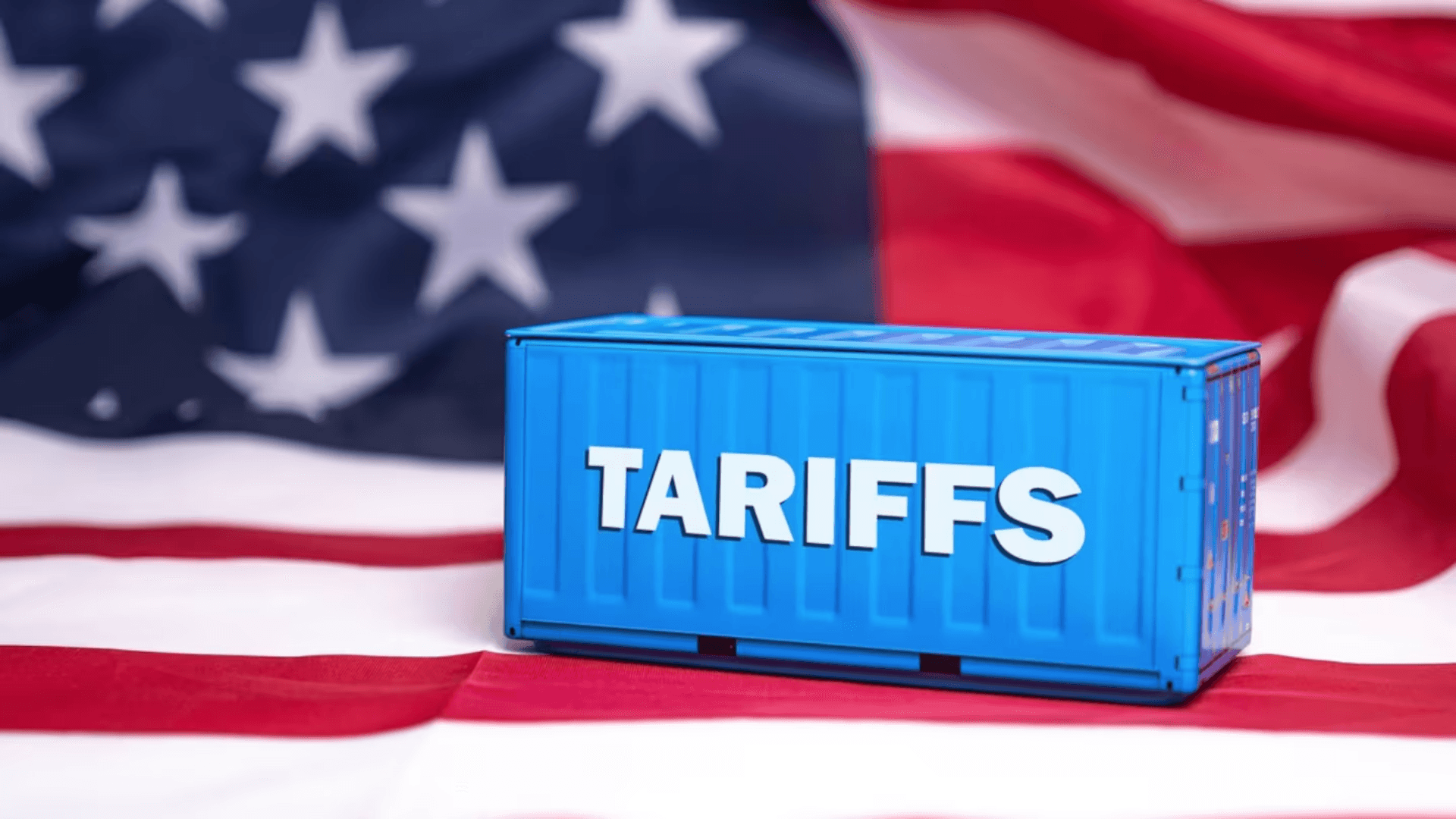
The serious pursuit of the type of trade and industrial policies just articulated will require appropriate and adequate policy space and room to make domestic institutional and other innovations which have historically been integral to most successful trade and industrial development strategies. Through the centuries, starting with Alexander Hamilton in the US, tariffs have been used as a strategic tool for industrial policy and still are by the US, Europe, the People’s Republic of China, India, the Republic of Korea and many other countries.
More tangibly, trade agreements and tariffs should be judged by whether they demonstrably support diversification, value added and decent job creation in the agriculture, micro and small and medium enterprise (MSME) industrial and services sectors or whether they have a constraining, or even disabling, influence on such possibilities.
You may read evaluation note from here.