Evaluation Note / Sarp Kalkan
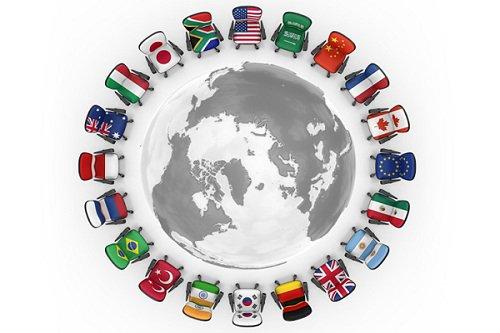
"The G20 leaders called for global action at the London summit (April 2009) by saying ‘We face the greatest challenge to the world economy in modern times; a crisis which has deepened since we last met, which affects the lives of women, men, and children in every country, and which all countries must join together to resolve. A global crisis requires a global solution.’ Since then I have been asking myself two questions: Are global solutions only required in times of global crisis? And, without a crisis agenda in the upcoming period, will the G20 become obsolete?
We cannot limit the role of the G20 to crisis management, considering the current imbalances and inequalities in the global economy. Moreover, enhanced globalisation and rising interdependencies require more effective policy coordination tools. So it is obvious that the G20 platform is needed in the long term. At the same time, the focus of the G20 – which has primarily been the global financial architecture – must be diverted to real sector improvements in the medium term..."