Economic Policy Research Foundation of Turkey (TEPAV) hosted Mr. Abdullah Akyuz, the Washington DC Representative of Turkish Industrialists' and Businessmens' Association (TUSIAD) on November 23, 2006. Mr. Akyuz was the keynote speaker at a round-table discussion organized by TEPAV at which he evaluated the Turkish-American relations in the aftermath of the American mid-term elections held on November 7, 2006. Emphasizing that Turkey needs to be constructive in the Middle East through further communication with all the sections in Iraq, he proposed further Turkish role in the training of the Iraqi police and military personnel as one way of being constructive. Touching upon the Baker-Hamilton Commission Report, Mr. Akyuz said that it is a positive development for Turkey that the report is still in the process of being formulated. Saying that the Congressman and the Senators that support the Armenian proposal are still few in terms of numbers, he added that they are in key positions in the new Congress and the Senate. He explained that it is still not too late to influence some of these key actors.
News
Possible Effects Of The American Mid-Term Elections On Turkish-American Relations
Economic Policy Research Foundation of Turkey (TEPAV) hosted Mr. Abdullah Akyuz, the Washington DC Representative of Turkish Industrialists' and Businessmens' Association (TUSIAD) on November 23, 2006. Mr.
Share
Other News
News
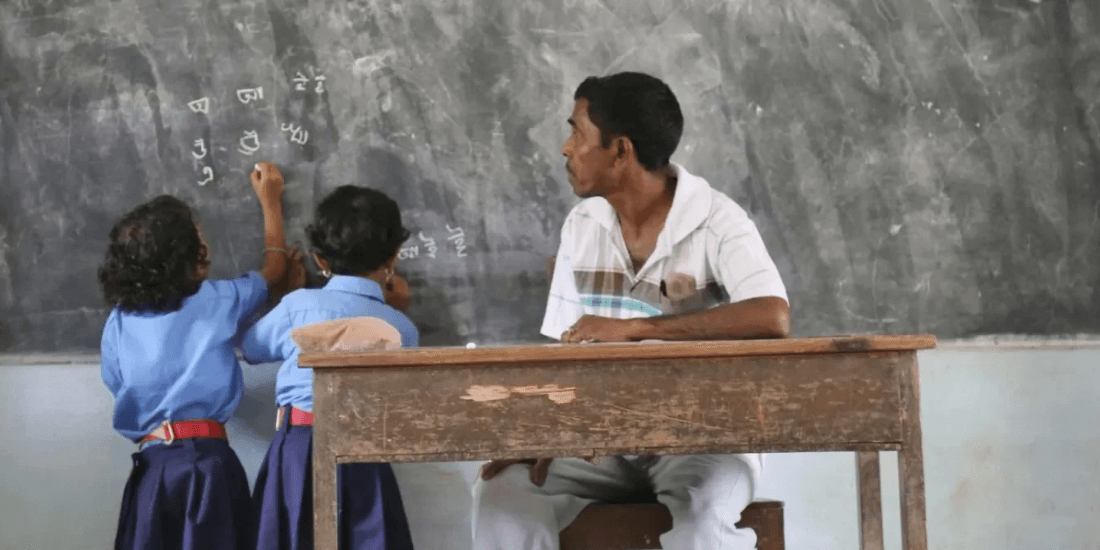
Transformations Needed Before India’s 2047 Viksit Aspiration and its Strategic Autonomy Assertion Become Reality
Evaluation Note / Kamal Malhotra
News
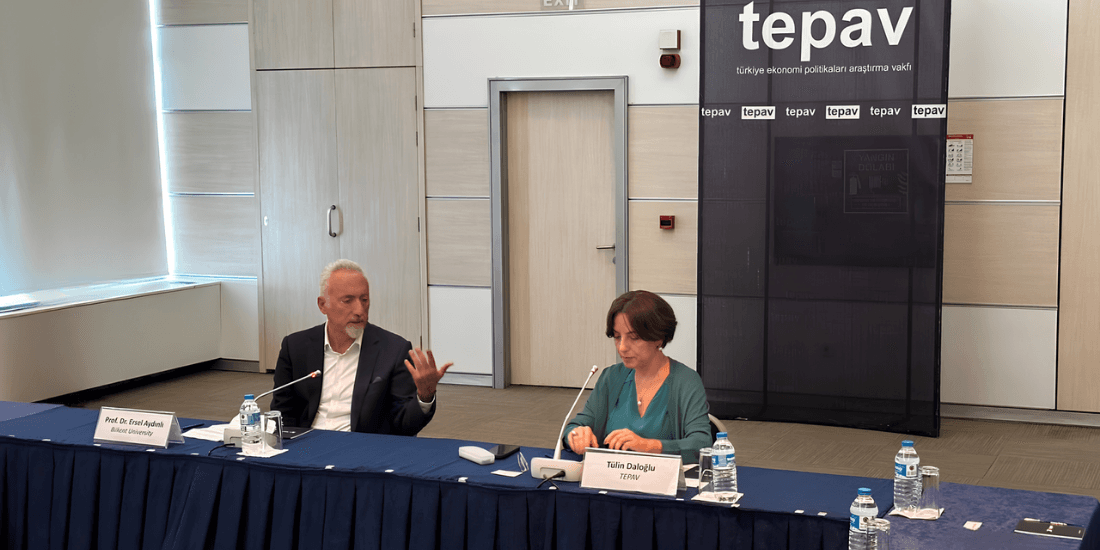
How Much Would a Shift in the Balance of Power in Congress Affect U.S. Foreign Policy?
The second meeting in the Economic Policy Research Foundation of Türkiye’s (TEPAV) “2026 U.S. Elections” series examined the potential implications of the midterm…
News
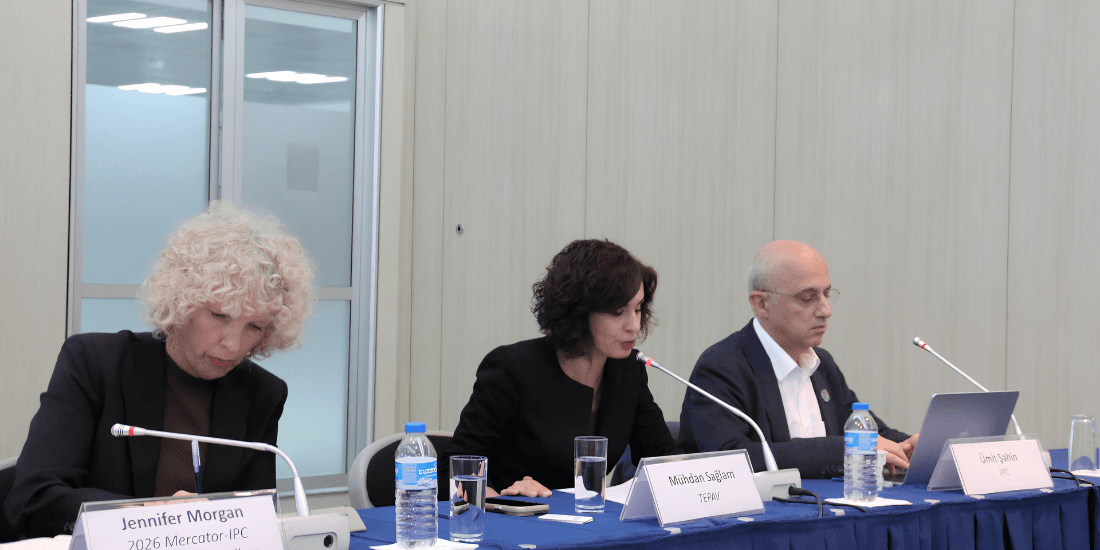
COP31 should link electrification with the transition away from fossil fuels
A panel organized by the Economic Policy Research Foundation of Türkiye (TEPAV) and Istanbul Policy Center (IPC) examined how COP31 could respond to the climate and…